Home Middelkerke Weather Tides Tides | Ebb and flood
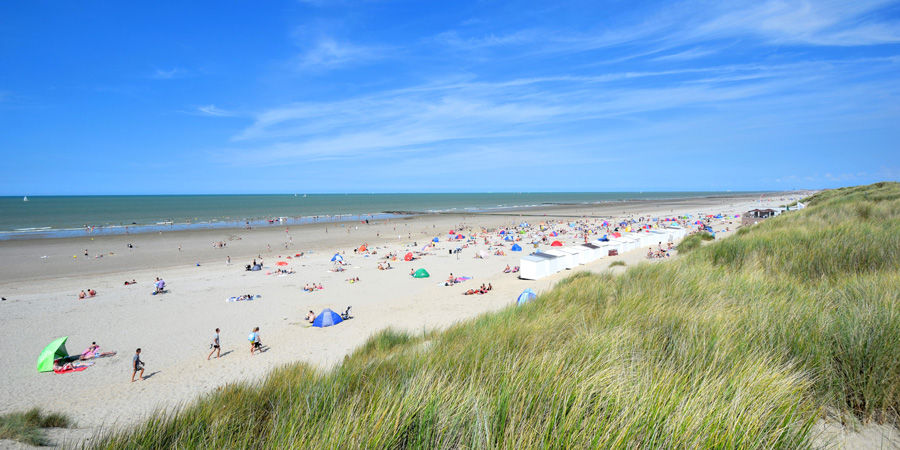
The beaches of Middelkerke are never the same width because of the tides. For example, if you take a relaxing walk on the beach , it is useful to know when it is high or low tide .
On this page you will find the astronomical water level forecast for Oostende . This free tidal information is only intended for private leisure beach activities , such as hiking , sunbathing and beach recreation .
These tidal predictions are based on a non-authoritative static model, they do not consider current weather conditions and may therefore deviate ±15 minutes in reality.
Actuele Middelkerke zeewater temperatuur : 13,9°C
October 2026
Tue. Tuesday 20 Oct October
03:00 hrs
150 cm
Wed. Wednesday 21 Oct October
04:06 hrs
138 cm
Thu. Thursday 22 Oct October
05:06 hrs
119 cm
Fri. Friday 23 Oct October
05:58 hrs
96 cm
Sat. Saturday 24 Oct October
00:23 hrs
441 cm
Sun. Sunday 25 Oct October
01:00 hrs
463 cm
(Start of Standard Time)
06:28 hrs
52 cm
Mon. Monday 26 Oct October
00:36 hrs
481 cm
Tue. Tuesday 27 Oct October
01:13 hrs
494 cm
Wed. Wednesday 28 Oct October
01:50 hrs
496 cm
Thu. Thursday 29 Oct October
02:31 hrs
488 cm
Fri. Friday 30 Oct October
03:14 hrs
469 cm
Sat. Saturday 31 Oct October
04:01 hrs
441 cm
(Halloween)
10:42 hrs
44 cm
November 2026
Sun. Sunday 1 Nov November
04:56 hrs
408 cm
(All Saints' Day)
11:40 hrs
65 cm
Mon. Monday 2 Nov November
00:20 hrs
102 cm
(All Souls' Day)
06:12 hrs
383 cm
Tue. Tuesday 3 Nov November
01:32 hrs
111 cm
Wed. Wednesday 4 Nov November
02:45 hrs
110 cm
Thu. Thursday 5 Nov November
04:04 hrs
98 cm
Fri. Friday 6 Nov November
05:12 hrs
80 cm
Sat. Saturday 7 Nov November
06:01 hrs
66 cm
Sun. Sunday 8 Nov November
00:07 hrs
453 cm
Mon. Monday 9 Nov November
00:45 hrs
454 cm
Tue. Tuesday 10 Nov November
01:19 hrs
457 cm
Wed. Wednesday 11 Nov November
01:54 hrs
456 cm
(Armistice Day)
08:22 hrs
39 cm
Thu. Thursday 12 Nov November
02:27 hrs
451 cm
Fri. Friday 13 Nov November
03:00 hrs
441 cm
Sat. Saturday 14 Nov November
03:30 hrs
425 cm
Sun. Sunday 15 Nov November
03:59 hrs
407 cm
Mon. Monday 16 Nov November
04:37 hrs
387 cm
Tue. Tuesday 17 Nov November
05:28 hrs
368 cm
Wed. Wednesday 18 Nov November
01:00 hrs
139 cm
Thu. Thursday 19 Nov November
02:16 hrs
130 cm
Fri. Friday 20 Nov November
03:17 hrs
115 cm
Sat. Saturday 21 Nov November
04:12 hrs
98 cm
Sun. Sunday 22 Nov November
05:05 hrs
81 cm
Mon. Monday 23 Nov November
05:56 hrs
62 cm
Tue. Tuesday 24 Nov November
00:07 hrs
464 cm
Wed. Wednesday 25 Nov November
00:52 hrs
474 cm
Thu. Thursday 26 Nov November
01:35 hrs
479 cm
Fri. Friday 27 Nov November
02:19 hrs
474 cm
Sat. Saturday 28 Nov November
03:05 hrs
460 cm
Sun. Sunday 29 Nov November
03:55 hrs
440 cm
Mon. Monday 30 Nov November
04:50 hrs
417 cm
December 2026
Tue. Tuesday 1 Dec December
00:04 hrs
93 cm
Wed. Wednesday 2 Dec December
01:04 hrs
102 cm
Thu. Thursday 3 Dec December
02:09 hrs
106 cm
Fri. Friday 4 Dec December
03:19 hrs
104 cm
Sat. Saturday 5 Dec December
04:36 hrs
95 cm
Sun. Sunday 6 Dec December
05:35 hrs
83 cm
Mon. Monday 7 Dec December
06:20 hrs
72 cm
Tue. Tuesday 8 Dec December
00:28 hrs
426 cm
Wed. Wednesday 9 Dec December
01:08 hrs
434 cm
Thu. Thursday 10 Dec December
01:43 hrs
438 cm
Fri. Friday 11 Dec December
02:16 hrs
439 cm
Sat. Saturday 12 Dec December
02:47 hrs
435 cm
Sun. Sunday 13 Dec December
03:16 hrs
427 cm
Mon. Monday 14 Dec December
03:46 hrs
417 cm
Tue. Tuesday 15 Dec December
04:18 hrs
408 cm
Wed. Wednesday 16 Dec December
05:04 hrs
400 cm
Thu. Thursday 17 Dec December
00:03 hrs
113 cm
Fri. Friday 18 Dec December
01:15 hrs
110 cm
Sat. Saturday 19 Dec December
02:24 hrs
105 cm
Sun. Sunday 20 Dec December
03:25 hrs
98 cm
Mon. Monday 21 Dec December
04:27 hrs
88 cm
(Shortest Day)
10:16 hrs
420 cm
Tue. Tuesday 22 Dec December
05:26 hrs
73 cm
These tidal predictions are based on a non-authoritative static model, they do not consider current weather conditions and may therefore deviate ±15 minutes in reality.
Disclaimer
hiking , sunbathing and beach recreation . No guarantees are made about the correctness of this free tides data. You may not use this page professionally and not if anyone or anything could be harmed as a result of its use (for example, do not use it for sailing or navigation purposes).
Ebb and flow
The phase of retreating water is called ebb. A beach will get bigger during ebb. In the Oosterschelde or Waddenzee , mud plates will appear, which makes it possible to go mudhiking to the islands. At the end of ebb period, the water is at the lowest point: this is called low tide.
The phase of rising water is called flow. A beach will then get smaller, narrower. Big mud plates, like in the Waddenzee or Oosterschelde , will overflow with water during flow. The water level reached at the end of the flow phase is called high tide.
The time between the start of one flow and the start of the next flow is on average 12 hours and 25 minutes.

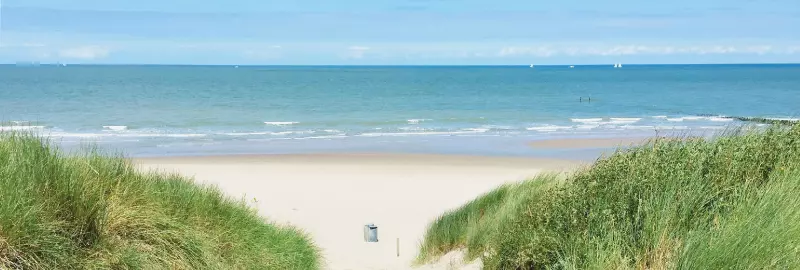
 This free tidal information is only intended for private leisure beach activities, such as hiking, sunbathing and beach recreation. No guarantees are made about the correctness of this free tides data. You may not use this page professionally and not if anyone or anything could be harmed as a result of its use (for example, do not use it for sailing or navigation purposes).